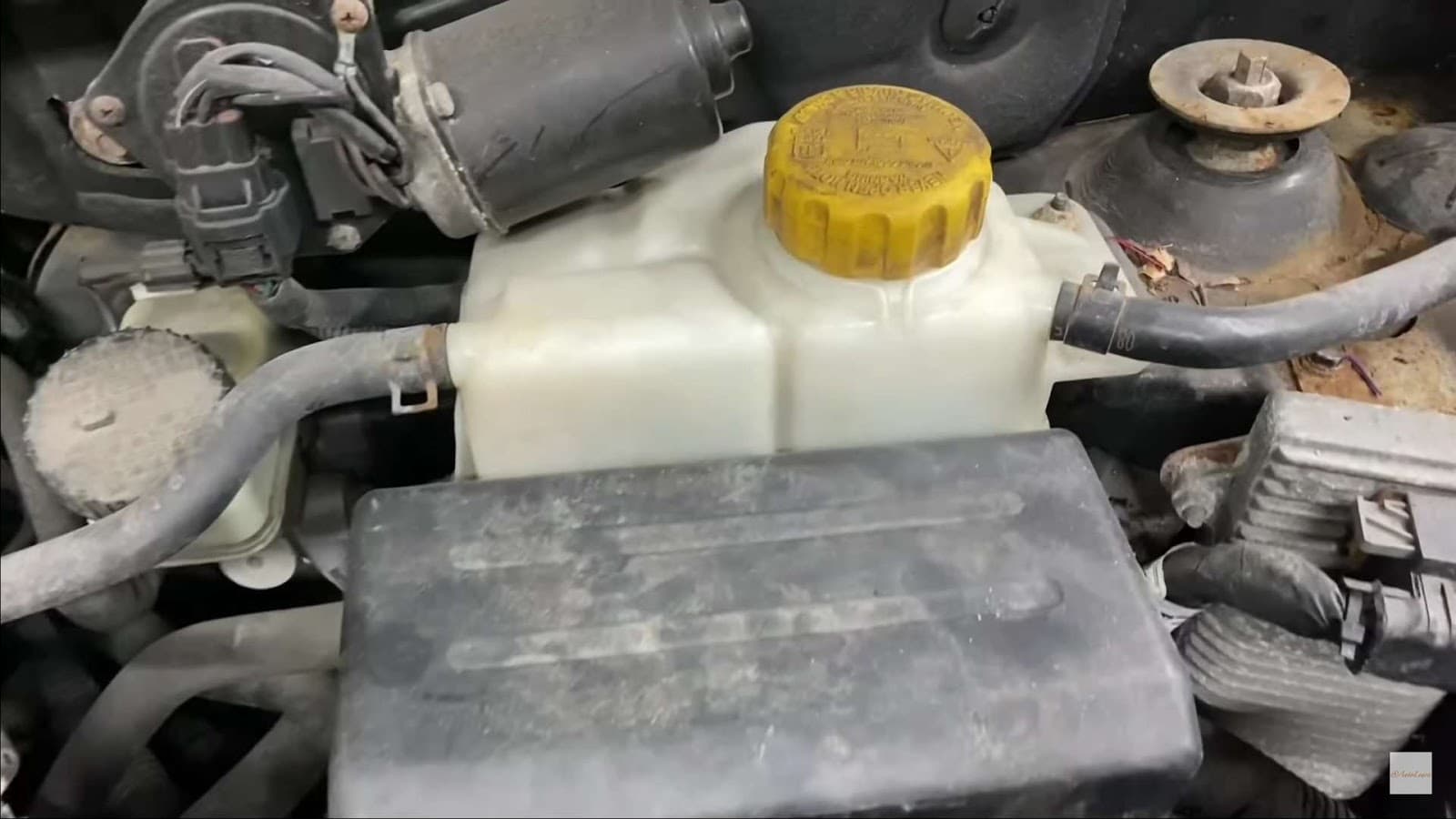
Is Water a Suitable Replacement for Coolant in my Vehicle?
Within the domain of automotive and industrial applications, the necessity of coolants cannot be overstated. These essential fluids serve a paramount purpose, chiefly responsible for the management of temperatures and the vital prevention of overheating, a condition that can potentially culminate in severe damage or operational malfunction. Among the myriad of coolant choices at our disposal, one frequently finds itself at the center of debate: water. Is it truly possible to employ water as an effective coolant? Join us as we delve into the veracity concealed behind this frequently pondered query.
Water: Nature’s Original Coolant
Throughout the annals of history, water has served as a quintessential natural coolant. Possessing a remarkable capacity to absorb substantial heat while remaining resistant to drastic temperature fluctuations, it has become an indispensable resource. In numerous uncomplicated scenarios, particularly those devoid of concerns related to freezing or corrosion, water functions admirably. Nevertheless, in the realm of intricate machinery and sophisticated engines, the inquiry no longer centers solely on water’s cooling prowess; rather, it delves into the realm of its enduring impact and comprehensive efficiency.
Advantages of Employing Water as a Coolant
- Superior Heat Dissipation Abilities: Water stands out for its unparalleled capacity to dissipate heat. Its unique thermodynamic properties grant it an exceptional specific heat capacity, meaning it can soak up and distribute a vast amount of heat more efficiently than numerous other substances. This intrinsic capability makes water an excellent agent for removing and dispersing unwarranted thermal energy;
- Eco-friendly and Plentiful: Water’s ubiquity is its distinct advantage. Being one of the most common substances on Earth, it is readily available in most places. Furthermore, in contrast to tailored cooling agents that may require specific manufacturing processes, water is a natural resource that doesn’t deplete easily and is frequently cost-free, making it a convenient solution for unexpected situations;
- Environmentally Safe: The absence of harmful chemicals in water positions it as a greener alternative. While several commercial coolants encompass substances that may harm the environment, water presents minimal ecological threats, provided it is released responsibly and without contamination.
Limitations of Using Solely Water as a Coolant
- Vulnerability to Extreme Temperatures: Water’s fixed freezing and boiling points present challenges. At the standard atmospheric pressure, water solidifies at 0°C and vaporizes at 100°C. This susceptibility means that in regions with extremely cold temperatures, engines relying on water-cooling might experience freezing, resulting in severe damage. On the flip side, during intense operations where temperatures soar, water’s propensity to boil might lead to the formation of steam pockets, compromising the cooling efficiency;
- Corrosive Tendencies and Rust Formation: Continual use of undiluted water in cooling systems can instigate corrosion of the internal components. As metals interact with water, they can oxidize, initiating rust formation. This not only diminishes the operational efficiency but can also lead to blockages, drastically reducing the system’s lifespan and possibly causing malfunctions;
- Absence of Lubricative Qualities: Many purposefully crafted coolants are infused with lubricants designed to safeguard and extend the life of engine components, especially moving parts like the water pump. Water, in its natural state, doesn’t possess these lubricative attributes, which can expedite wear and tear;
- No Defense Against Scaling: When hard water, rich in minerals, is utilized in cooling systems, there’s a tendency for these minerals to accumulate and form scales over time. These scales can obstruct the efficient flow and heat transfer within the cooling apparatus, thereby diminishing its effectiveness.
Enhancing Engine Efficiency: The Symbiosis of Water and Antifreeze
In the intricate world of automotive and industrial machinery, an unlikely partnership thrives – water and antifreeze. Together, they create a dynamic duo that safeguards the health and performance of engines, ensuring they function optimally even under the most demanding conditions. In this comprehensive guide, we will delve deep into the synergy between water and antifreeze, shedding light on their combined benefits and how they contribute to engine longevity. Also if you want to prolong the life of your engine, it is important to maintain and service spark plugs condition.
The Power of Antifreeze
When it comes to engine cooling systems, antifreeze is the unsung hero. It’s not just about preventing freezing in frigid winters, but also about maintaining a balanced thermal equilibrium during scorching summers. Here’s how antifreeze steps up to the plate:
- Temperature Extremes: Antifreeze significantly broadens the temperature range at which your engine can operate effectively. It prevents freezing when the mercury plummets, ensuring your engine doesn’t turn into an ice block. Conversely, it prevents boiling when things heat up, preventing catastrophic overheating;
- Corrosion Protection: Antifreeze isn’t just a temperature regulator; it’s a shield against corrosion, rust, and scale buildup. This is especially crucial for the longevity of your engine. It contains corrosion inhibitors that create a protective barrier on metal surfaces, preventing the insidious march of rust;
- Scale Prevention: Scale buildup is the enemy of efficiency. Antifreeze contains scale preventers that hinder the formation of mineral deposits, ensuring that your engine’s vital components remain clean and free from obstructions;
- Lubrication: Antifreeze isn’t just about temperature and protection; it also acts as a lubricant, reducing friction within the engine. This lubrication ensures smooth operation and reduces wear and tear on engine parts.
Pure Water vs. Distilled Water: Making the Right Choice
Now that we understand the pivotal role of antifreeze, it’s time to address the water component. While water might seem like a simple ingredient, not all water is created equal. Let’s explore the difference between tap water and distilled water:
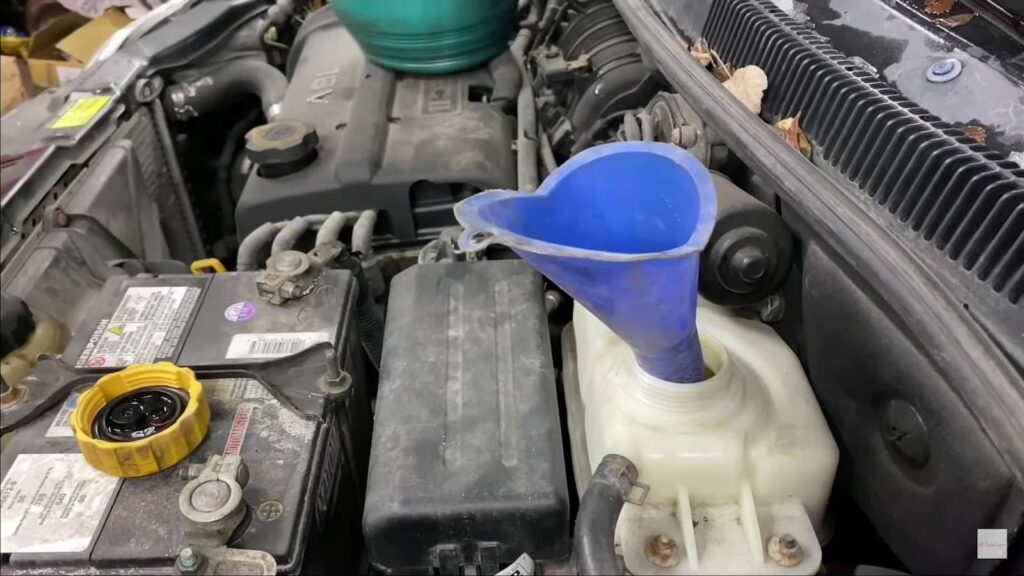
- Tap Water: While readily available, tap water can be a mixed bag for cooling purposes. It often contains minerals that can cause scale buildup over time, compromising your engine’s efficiency. It’s also susceptible to freezing in cold conditions and boiling when things get hot;
- Distilled Water: Distilled water, on the other hand, undergoes a purification process that removes impurities and minerals. This makes it a superior choice for engine cooling;
- Mineral-Free: Distilled water is devoid of minerals, reducing the risk of scale formation and corrosion;
- Consistency: Distilled water provides a consistent and predictable cooling performance, ensuring your engine runs smoothly regardless of external temperature variations;
- Longevity: By using distilled water, you’re investing in the long-term health of your engine, as it minimizes the chances of scale-related issues and extends the life of your cooling system.
The Bottom Line
Is it possible to employ water as a coolant? Indeed, this is a possibility, albeit subject to certain conditions and restrictions. Under specific circumstances and with the appropriate environmental factors in place, water can indeed function effectively as a coolant. Nevertheless, for the majority of automotive and industrial applications, it is advisable to employ a combination of water and antifreeze. This blend not only guarantees peak performance but also mitigates the inherent risks associated with using pure water, ultimately prolonging the operational life of the cooling system components.
When it comes to safeguarding the functionality of your machinery or vehicle, investing in the appropriate coolant solution holds significant merit. While the cooling capabilities of water are indisputable, the broader considerations, including safeguarding against freezing, elevating the boiling point, preventing corrosion, and facilitating system lubrication, all present compelling reasons for opting for formulated coolants or, at the very least, a mixture of water and antifreeze.