
Understanding the Differences: 2-ohm vs 4-ohm Speakers
Selecting the perfect subwoofer for crafting an impeccable sound system, especially tailored for car audio enthusiasts, often presents a formidable dilemma. A pivotal factor that demands thoughtful deliberation revolves around the subwoofer’s impedance, typically quantified in units of ohms (Ω). In the forthcoming discourse, we shall delve into the nuances that distinguish the 2 and 4-ohm subwoofers, elucidating their respective merits and demerits, thereby equipping you with the knowledge to make a well-informed decision.
Unveiling Electrical Resistance: The Fundamental Element of Speaker Performance
Within the realm of audiophiles and aficionados of car audio systems, the ongoing debate surrounding the selection between 2 and 4-ohm remains a perennial source of discussion. Yet, what lies at the crux of this discourse? It is the captivating universe of electrical resistance, quantified in ohms, that assumes a pivotal role in molding the auditory excellence you encounter. In this segment, we shall embark on a journey to fathom the rudiments of electrical resistance and how it exerts its influence upon your audio configuration.
Deciphering Ohms: The Elemental Resistance
In its essence, ohms represent a unit of measurement harnessed to evaluate the resistance presented by a conductor to the passage of electric current. Picture it as a metaphorical traffic jam for electrons: the higher the rating, the more congested the electron thoroughfare becomes, impeding the flow of these tiny charged particles. Conversely, a lower ohm rating lays down a smoother course for electrons to traverse, thereby enabling a more robust stream of electric current. To encapsulate this in straightforward terms:
- A diminutive ohm rating (for instance, 2 ) = Reduced resistance = Amplified electric current flow;
- A substantial ohm rating (for instance, 4) = Elevated resistance = Diminished electric current flow.
2-Ohm Subwoofers: Pros and Cons
Let’s now delve deeper into the realm of 2-ohm subwoofers, exploring these audio components’ unique merits and demerits that should be weighed by every dedicated audiophile:
Advantages:
- Enhanced Power Delivery: A standout attribute of 2-ohm subwoofers lies in their remarkable capacity to dispense more robust and potent wattage in comparison to their 4-ohm counterparts. This surplus of energy translates into amplified, resounding bass, a coveted pursuit for numerous audio enthusiasts;
- Alignment with Contemporary Amplifiers: In the modern soundscape, a substantial number of amplifiers are meticulously crafted and optimized to cater to 2-ohm loads. This harmonious compatibility can significantly simplify the life of an audio aficionado, increasing the likelihood of a seamless synergy between the subwoofer and amplifier;
- Wiring Flexibility: 2-ohm subwoofers offer a heightened degree of versatility when it comes to wiring configurations. They can be wired in parallel to achieve a 1-ohm load or in series to establish a 4-ohm load. This grants you the freedom to precisely fine-tune your setup in accordance with your personal preferences.
Disadvantages:
- Heat Generation: The pursuit of amplified power brings with it the potential for escalated heat generation. As a 2-ohm subwoofer channels increased current, it may produce heightened levels of heat. If not managed effectively, this thermal buildup could curtail the subwoofer’s longevity. Adequate cooling mechanisms and meticulous setup are imperative to mitigate this concern;
- Amplifier Stress: The reduced impedance typically associated with 2-ohm subwoofers can place extra strain on your amplifier. It’s important to note that not all amplifiers are designed to handle such low impedance levels. Utilizing them in tandem with a 2-ohm subwoofer could potentially push these amplifiers to their maximum capacity, possibly resulting in prolonged harm. It is crucial to verify that your amplifier is suitably matched with the impedance rating of your subwoofer to ensure optimal compatibility.
4Ohm Subwoofers: An In-depth Analysis of Their Advantages and Limitations
Advantages of 4Ohm Subwoofers:
- Enhanced Efficiency: Generally, 4ohm subwoofers exhibit greater efficiency in comparison to the 2ohm variants. Such heightened efficiency can culminate in producing crisper audio fidelity. Furthermore, an efficient subwoofer can reduce undue stress on the amplifier, ensuring smoother operation;
- Enhanced Durability: 4-ohm subwoofers exhibit a reduced flow of electric current, leading to a comparatively lower heat production. This minimized heat emission carries significant advantages, primarily in the realm of potentially extending the subwoofer’s operational lifespan. A subwoofer that maintains a cooler temperature often boasts an extended lifespan, delivering enhanced long-term value;
- Expansive Compatibility Range: A standout characteristic of 4-ohm subwoofers lies in their wide-ranging compatibility. These subwoofers are meticulously engineered to seamlessly integrate with a plethora of amplifiers, regardless of their manufacturing vintage. This inherent versatility ensures that users, whether they possess vintage or contemporary amplifier models, can effortlessly incorporate a 4-ohm subwoofer into their audio setup, completely free from compatibility concerns.
Limitations of 4-Ohm Subwoofers:
- Potential Power Output Restrictions: One notable trade-off when opting for a 4-ohm subwoofer as opposed to its 2-ohm counterpart is the potential reduction in power output. When both are supplied with identical voltage from an amplifier, the 4-ohm subwoofer might deliver slightly subdued power. This could potentially impact the overall volume and intensity that some audiophiles covet;
- Amplifier Compatibility and Matching: When venturing into the realm of car audio systems, a crucial but often overlooked aspect is the compatibility between your amplifier and subwoofer. The right pairing can profoundly influence your listening experience. Modern amplifiers exhibit remarkable versatility, capable of accommodating various impedance levels, including 2 ohms and 4 ohms. However, it remains imperative to delve into the specifications to ensure peak performance and preempt any potential damage. Let’s delve deeper into this topic.
Key Considerations:
- Impedance Compatibility: Ensure that the impedance of your subwoofer aligns with that of your amplifier. Expressed in ohms (Ω), impedance mismatch can lead to audio distortion, excessive heat, or even irreversible damage to your devices;
- Reviewing Amplifier Details: Scrutinize your amplifier’s guide or its specifications to ascertain the impedance levels it can support. Typically, this data can be fetched directly from the manufacturer’s resources;
- Adaptive Amplifiers: Some amplifier models offer adjustable impedance modes, granting versatility when pairing with various subwoofers. For those thinking of incorporating multiple subwoofers, this adaptability can be pivotal;
- Wattage Synchronization: Monitor the power tolerance levels of both your amplifier and subwoofer. Making sure both devices can accommodate identical wattage contributes to a seamless and efficient audio experience.
Making the Right Choice for Your Needs
When faced with the decision between a 2-ohm and a 4-ohm subwoofer, it’s not merely a matter of selecting a numerical value; it entails customizing your car’s audio system to align with your precise preferences and requirements. Let’s delve into the pivotal factors that should guide your choice:
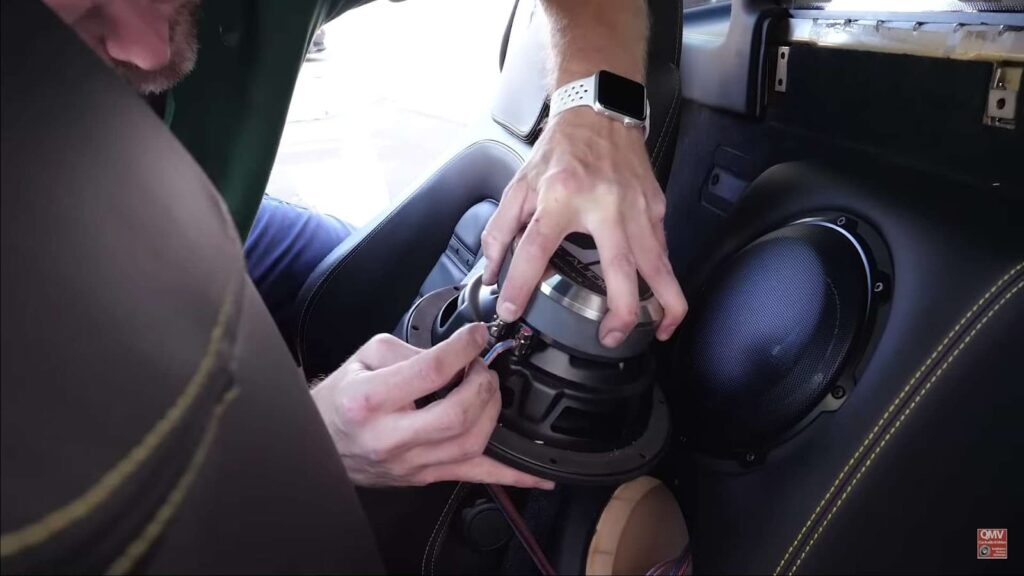
Factors Shaping Your Decision:
- Amplifier Capability: The linchpin of this decision rests upon your amplifier’s capabilities. It is imperative that your amplifier can adeptly handle the impedance of the chosen subwoofer. Scrutinize your amplifier’s specifications closely to ensure seamless compatibility;
- Desired Sound Experience: The cornerstone question to ponder is the type of auditory experience you yearn for. If your heart desires a seismic, ribcage-vibrating bass, the 2-ohm subwoofer may be your preferred route. These typically bestow greater power and the ability to reach elevated sound volumes. Conversely, if your priority is pristine, exact sound reproduction, the 4-ohm subwoofer frequently emerges as the superior option, offering a more sophisticated and efficient performance;
- System Longevity: Contemplate the long-term well-being of your audio system. Running a 2-ohm subwoofer with an amplifier that can manage it may yield astounding bass, but it can also generate heightened heat and exert additional strain on your equipment. This has the potential to curtail the lifespan of your gear. In contrast, a 4-ohm subwoofer typically generates less heat and exerts reduced stress on your amplifier, potentially prolonging its operational life.
Additional Tips:
- Listen Before You Decide: Whenever possible, audition both 2-ohm and 4-ohm subwoofers in your vehicle. Hearing them in action can help you make a more informed decision based on your personal preferences;
- Consider Your Musical Tastes: Different music genres may benefit from different subwoofer impedance. For instance, if you love bass-heavy electronic music, a 2-ohm subwoofer might excel. Meanwhile, a 4-ohm subwoofer may be better suited for genres where precision and clarity matter, like classical or jazz;
- Consult with Experts: Don’t hesitate to seek advice from car audio professionals or enthusiasts. They can provide valuable insights and help you navigate the intricacies of choosing the right subwoofer impedance for your system.
By carefully weighing these factors and seeking expert guidance, you can make an informed decision that not only satisfies your immediate audio cravings but also ensures the long-term health of your car audio system.
Conclusion
Selecting between a 2-ohm or a 4-ohm subwoofer hinges upon a profound comprehension of your individual requirements, the capacities of your audio setup, and the distinctive attributes of each alternative. By meticulously evaluating the advantages and disadvantages while confirming their compatibility, you can attain an auditory journey that’s simultaneously exhilarating and enduring.