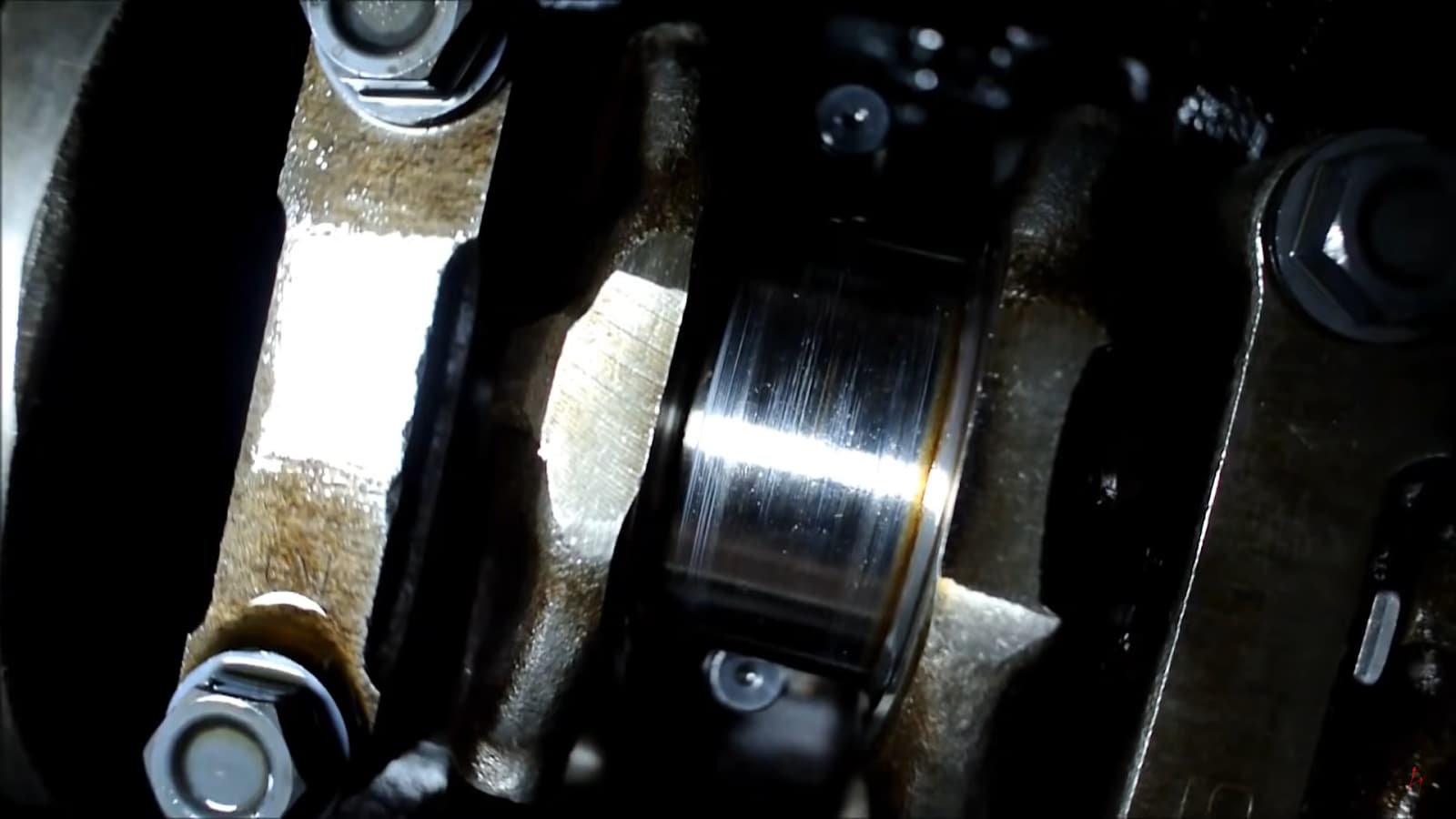
How to Fix Rod Knock: A Step-by-Step Guide
One of the most alarming sounds any car owner can hear is the distinct knocking from their engine, signaling the infamous rod knock. Before you panic, understanding the root cause and the necessary steps for repair can save your engine from severe damage. This article will provide a comprehensive guide on how to fix a rod knock.
Understanding Rod Knock
Rod knock is a distinctive knocking noise that emanates from the engine, a telltale sign of trouble in a car’s internal mechanics. At the heart of this issue are the connecting rod bearings. These bearings play a crucial role in the smooth operation of an engine, providing a cushioned interface between the connecting rods and the crankshaft. Their primary function is to reduce friction and facilitate the seamless up-and-down movements of the pistons.
However, like all mechanical components, these bearings are susceptible to wear and tear. Over time, or due to factors like inadequate lubrication, contamination, or even excessive engine loads, these bearings can get worn out or damaged. When this happens, the protective barrier they offer breaks down. Consequently, the piston’s connecting rods, which should ideally never touch the crankshaft directly, start making metal-to-metal contact with it. This contact is not gentle; it’s forceful and creates a rhythmic knocking sound, which is audible even to an untrained ear. This sound, which is both a symptom and a warning, is what is commonly referred to as rod knock. If not addressed promptly, the repercussions can be severe, leading to extensive engine damage and hefty repair bills.
Diagnosing Rod Knock Accurately
To correctly identify a rod knock and differentiate it from other potential noises an engine might produce, it’s essential to approach the task methodically. Rod knock, although alarming, has distinct characteristics that can be recognized even by those not deeply familiar with automotive sounds.
- Character of the Sound: Begin by listening intently to the engine, especially during moments when you accelerate. A rod knock will manifest as a deep, rhythmic knocking or thudding sound. This isn’t a superficial noise, like a belt squeak; it originates from deep within the engine and is often louder and more pronounced than other engine sounds;
- Sound Dynamics with Engine Speed: Another significant pointer is the behavior of the noise in relation to the engine’s speed. As you rev the engine or as the RPMs climb, pay attention to the knocking sound’s frequency. If it’s indeed a rod knock, the frequency of the knocking will increase in tandem with the engine speed. In simpler terms, the faster the engine runs, the quicker the knocking rhythm becomes;
- Associated Symptoms: While the sound is the most evident symptom, other signs can accompany a rod knock. There might be a decrease in engine performance, unusual vibrations, or even oil contamination with metal shavings. These are advanced symptoms, but they further corroborate the presence of a rod knock.
Basic Tools and Materials Needed
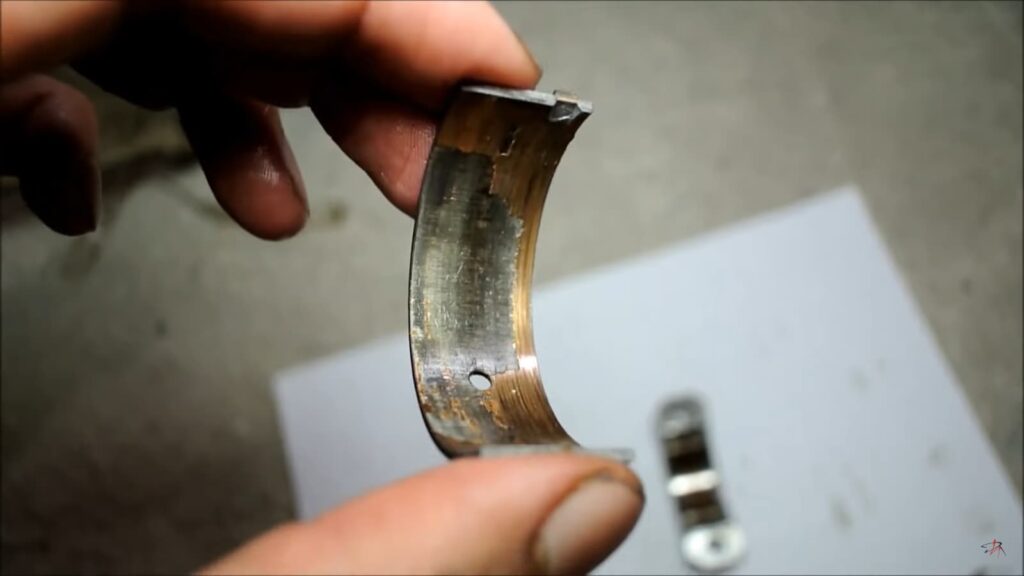
Tackling a rod knock requires a combination of specific tools and materials, designed to ensure both the safety and accuracy of the repair process. Here’s an expanded overview of what you’ll need and why each item is crucial:
- Engine Hoist: This is an indispensable tool when dealing with significant engine work. An engine hoist, often referred to as an engine crane, allows you to safely lift and remove the engine from the vehicle. This provides greater access to the internals of the engine, making the repair process smoother and less constrained;
- New Rod Bearings: The heart of the repair lies in replacing the faulty bearings. Ensure you obtain rod bearings specific to your vehicle’s make and model. Using the right bearings guarantees compatibility and optimal performance;
- Engine Oil and Filter: After any major engine work, it’s advisable to change the engine oil and filter. Old oil might contain metal shavings or contaminants that could have contributed to the initial wear. Fresh oil ensures proper lubrication and protection for the new bearings;
- Basic Hand Tools: A comprehensive set of hand tools, including wrenches and sockets, is essential. These tools will be used to dismantle parts of the engine, remove old bearings, and install new ones. Ensure they’re of good quality to avoid issues like stripping bolts;
- Torque Wrench: Precision is key when reassembling engine components. A torque wrench ensures that bolts and nuts are tightened to the manufacturer’s specifications. Proper torque ensures that parts are secure without being over-tightened, which could lead to other problems;
- Plastigage: This is a specialized tool used to measure the clearance between the new bearing and the rod. It’s a thin strip of plastic that compresses when sandwiched between two surfaces. After compression, it can be measured against a gauge to determine the clearance. Ensuring the right clearance is crucial for the longevity and performance of the new bearings.
A Step-by-Step Guide to Fixing Rod Knock
1. Safety First:
- Level Surface: Before you begin any work, it’s of paramount importance to ensure the vehicle is positioned on a stable and level surface. This not only ensures the safety of the vehicle but also provides a consistent work environment;
- Battery Disconnection: It’s vital to disconnect the battery before starting any significant engine work. This is a crucial safety step, preventing any accidental electrical discharge or unintended engine ignition.
2. Engine Access:
- Engine Hoist Usage: Employ the engine hoist to either completely remove the engine or elevate it slightly, providing easier access to its lower parts;
- Alternative Access: If complete engine removal seems too daunting or unnecessary, you might opt to lift the vehicle and access the engine’s underside directly.
3. Remove the Oil Pan:
- Locate the Pan: The oil pan sits at the very bottom of the engine, housing the engine oil;
- Drain and Remove: Ensure you have a container ready to collect the old oil. After draining, unbolt and remove the pan to expose the engine’s internals.
4. Inspect the Rods:
- Identification: Inside, you’ll see a series of connecting rods. These rods connect the pistons to the crankshaft;
- Observation: The faulty rod, responsible for the knock, will usually exhibit clear signs of damage, wear, or unusually high movement/play.
5. Replace the Bearings:
- Dismantling: Using your hand tools, detach the rod cap from the problematic rod. This will expose the worn or damaged bearing;
- Installation: After removing the old bearing, position the new one carefully, ensuring it aligns perfectly and sits snugly in place.
6. Check Bearing Clearance:
- Plastigage Use: This tool is essential for this step. Place the Plastigage strip on the bearing and reattach the rod cap. The subsequent compression will give a reading;
- Measurement: Compare the compressed Plastigage to its gauge to determine the clearance. This should align with the manufacturer’s specified range.
7. Reassemble:
- Rod Cap: Once you’re satisfied with the clearance, use your torque wrench to secure the rod cap bolts accurately, adhering to the recommended torque settings;
- Oil Pan and Oil: Reattach the oil pan and ensure all its bolts are tightened appropriately. Once secure, replenish the engine with fresh oil and install a new filter.
8. Test:
- Battery Reconnection: Now that all work is done, reconnect the battery;
- Engine Start: Ignite the engine and listen intently. The previous knocking sound should be noticeably absent if the bearings were the primary problem. Monitor for any other unusual sounds or vibrations to ensure a successful repair.
Tips for Preventing Future Rod Knocks
The old adage, “prevention is better than cure,” couldn’t be truer when it comes to automotive care. By being proactive and implementing a few simple practices, you can significantly reduce the risk of experiencing another rod knock in the future. Here’s a deeper dive into these preventive measures:
Change Engine Oil Regularly:
Engine oil serves as the lifeblood of your engine. Over time, it degrades and loses its ability to lubricate effectively. Old oil can accumulate contaminants that accelerate wear on vital engine components.
Always adhere to the manufacturer’s recommended oil change intervals. These are typically specified in your vehicle’s manual and are designed to keep the engine running optimally.
Use High-Quality Oil and Filters:
- Oil Quality: Not all engine oils are created equal. Premium oils often offer better protection against wear, superior lubrication, and longer life. They might cost more upfront, but the protection they offer can save you much more in potential repairs;
- Filter Significance: A good-quality oil filter effectively removes contaminants, ensuring that only clean oil circulates within the engine. This can prolong the life of the engine and its components.
Avoid Engine Over-Revving or Overheating:
- Over-Revving Dangers: Pushing the engine to its RPM limits consistently can place undue stress on its components, including the connecting rods. While modern engines come with rev limiters, it’s wise not to make high revs a habit;
- Managing Overheating: An overheated engine can weaken and damage its internal components. Always monitor the engine temperature gauge. If it consistently runs hot, it might indicate issues like a malfunctioning cooling system or low coolant levels, which need to be addressed promptly.
Regularly Inspect for Signs of Engine Wear:
| Maintenance Type | Description |
|---|---|
| Visual Checks | Periodically inspect the engine bay for signs of issues, such as oil leaks, frayed belts, or unusual deposits. |
| Auditory Monitoring | Familiarize yourself with your engine’s normal sounds. Investigate any unusual noises, like knocks, rattles, or squeals. |
| Scheduled Maintenance | In addition to self-checks, schedule regular professional inspections. Mechanics can spot early signs of wear or hidden issues that may not be apparent to the average car owner. |
When to Seek Professional Help
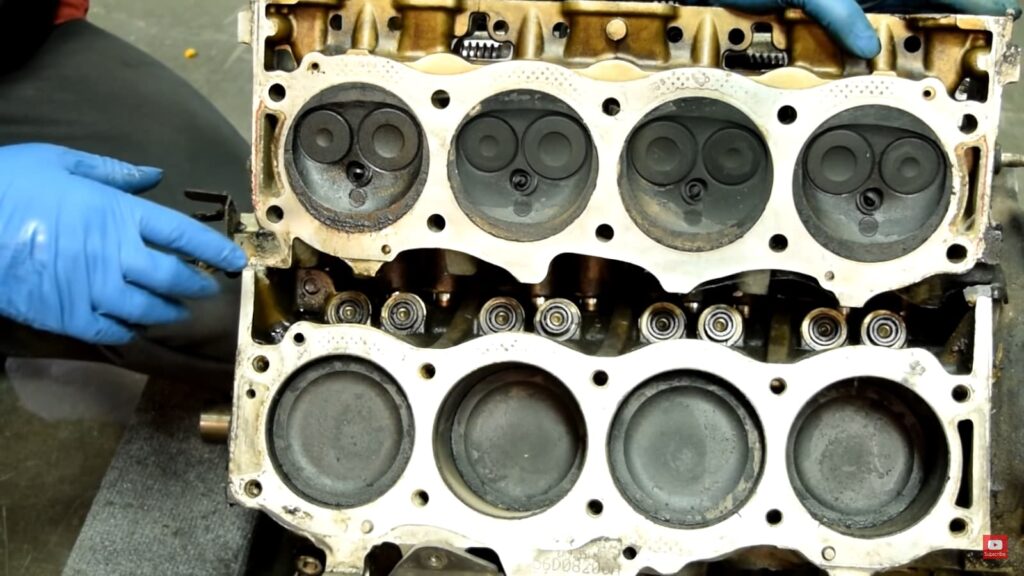
When it comes to addressing rod knock issues in your vehicle’s engine, it’s crucial to recognize when it’s time to seek professional help. If you lack confidence or experience in handling engine repairs, it is undeniably a prudent decision to reach out to a qualified mechanic. Their expertise and knowledge can not only ensure the job is done correctly but also prevent any potential mistakes that could further damage your engine.
Furthermore, it’s essential to remain vigilant even if you attempt a rod knock repair yourself. If, despite your efforts and replacement of the affected components, the rod knock persists, it may be a sign of underlying and more complex engine problems. In such cases, it is strongly recommended to entrust the diagnostics and repair to a professional. These experts have the tools and experience needed to delve deeper into your engine, identify any hidden issues, and provide the appropriate solutions, ultimately safeguarding the long-term health and performance of your vehicle. Remember, early intervention and professional assistance can often save you from more extensive and costly repairs down the road.
Conclusion
While a rod knock can be distressing, understanding its mechanics and addressing it promptly can save your engine from more profound complications. Regular maintenance and vigilance are key, ensuring your engine runs smoothly for years to come.