2-Way vs 3-Way Car Speakers – Which Reigns Supreme?
Every car enthusiast knows the importance of top-notch audio quality. The battle between 2-way and 3-way car speakers is an old one, but it’s essential to revisit and understand which offers a richer sound experience. In this guide, we’ll dissect both options to guide you in making an informed decision.
The Basic Dynamics of Car Speakers
Car speakers are more than just devices that play your favorite tunes. They’re finely-tuned instruments that affect your overall driving experience. But before we plunge into the 2-way vs 3-way debate, let’s understand the basics.
- Components of Car Speakers: From tweeters that handle the high-frequency sounds to woofers for low-frequency bass, knowing the components will help you understand the core differences.
- How Sound Frequency Works: Imagine a guitar string. The thicker it is, the deeper the sound it produces. Similarly, different speaker components handle different sound frequencies.
Decoding 2-Way Car Speakers
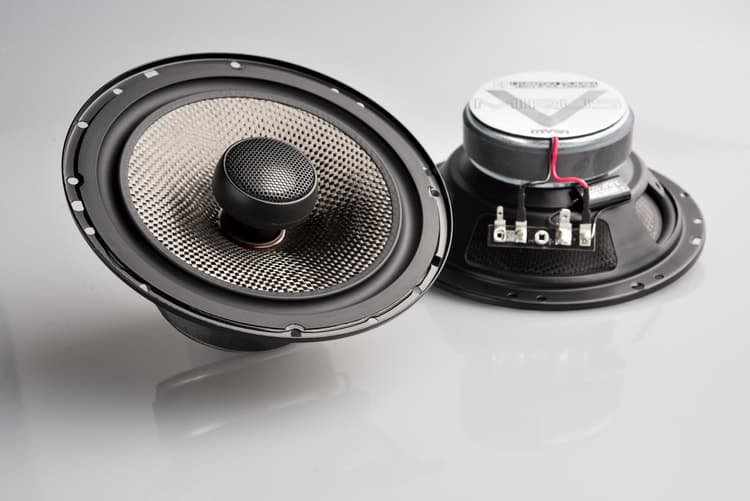
Often referred to as coaxial speakers, 2-way speakers are the most common type you’ll find in cars.
- Components: They typically consist of a woofer and a tweeter. The woofer manages the low to mid-range frequencies, while the tweeter handles the higher range.
- Pros: Simplicity and affordability. They’re easy to install and are often lighter on the pocket.
- Cons: Might lack depth in sound as compared to 3-way counterparts.
Unveiling 3-Way Car Speakers
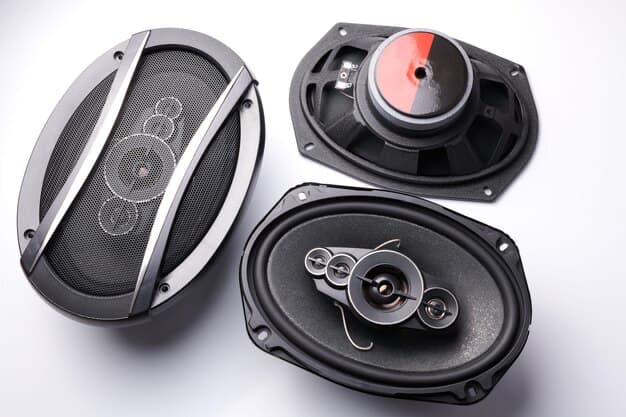
Also known as tri-axial speakers, 3-way speakers offer a more detailed sound.
- Components: In addition to a woofer and tweeter, these speakers come with a mid-range. This additional component can significantly enhance the overall audio quality.
- Pros: Richer sound and better frequency coverage. Perfect for audiophiles!
- Cons: Can be heavier on the wallet and might require professional installation.
2-Way vs 3-Way: The Battle of Frequencies
Let’s break down how each system deals with various sound frequencies:
| Frequency Range | 2-Way Speakers | 3-Way Speakers |
|---|---|---|
| Low Frequencies | Woofer | Woofer |
| Mid Frequencies | Woofer | Mid-Range |
| High Frequencies | Tweeter | Tweeter |
As evident, the 3-way speaker offers a dedicated component for mid-frequencies, resulting in a more detailed sound.
Real-world Application: What Does This Mean For You?
Think of it like ice cream. A 2-way speaker is like a basic vanilla cone – simple, classic, and gets the job done. A 3-way speaker, on the other hand, is like an ice cream sundae with toppings – richer and more immersive.
Factors To Consider When Choosing
- Budget: Are you willing to spend extra for more detailed sound?
- Installation: Do you prefer DIY or professional installation?
- Music Preference: Do you enjoy deep bass or prefer instrumental clarity?
- Vehicle Compatibility: Not all vehicles are designed to accommodate 3-way systems.
User Testimonials
- “I upgraded to a 3-way system, and the difference is night and day. The richness in sound quality is worth every penny.” – Mark T.
- “Honestly, I prefer 2-way speakers. They’re easy to handle, and for my music taste, they’re perfect.” – Jenny L.
The Evolution of Car Audio Systems
Car audio systems have come a long way since their inception. Their evolution isn’t just about the number of components or the types of speakers but about the holistic driving experience they create.
The Humble Beginnings
The earliest car radios were AM-only devices that had limited functionality. They were a luxury, not a standard feature, and were operated using large, clunky knobs.
Enter the Stereo Era
With the advent of FM and the introduction of cassette tape players, car audio took a significant leap forward. Stereo sound introduced listeners to a new dimension of auditory experience.
Modern Marvels
Today, we have digital systems, touch interfaces, advanced equalizers, and, of course, a variety of speaker systems, including 2-way and 3-way setups.
Understanding Speaker Sensitivity and Power Handling
Speaker specifications can be overwhelming. However, two critical aspects to understand when comparing 2-way and 3-way speakers are sensitivity and power handling.
Sensitivity
This measures how loud a speaker can be at a given power level. A speaker with higher sensitivity will be louder at the same power level as one with lower sensitivity. For example, while a 2-way speaker might have a sensitivity of 88 dB, a 3-way speaker could offer 90 dB.
Power Handling
This indicates the maximum power a speaker can handle before it gets damaged. It’s essential to ensure that your car’s audio system doesn’t overpower your speakers.
2-way vs 3-way Speaker Specs:
| Specification | 2-Way Speakers (Average) | 3-Way Speakers (Average) |
|---|---|---|
| Sensitivity | 88 dB | 90 dB |
| Power Handling | 50W RMS | 65W RMS |
Remember, while these specs play a crucial role in determining audio quality, the overall listening experience is also subjective and depends on individual preferences.
Innovations in Speaker Material and Design
The quality of sound isn’t just about the number of speaker components. The materials used and the design of the speaker play a pivotal role in delivering crisp and clear audio.
Material Matters
Over the years, the materials used for speaker cones have evolved. From paper cones to polypropylene and even kevlar, the material defines how resilient the speaker is and how it responds to different frequencies.
Design Dynamics
The design isn’t just about aesthetics. The shape of the speaker, the placement of the tweeter, and even the type of enclosure can greatly influence sound quality. For instance, a well-designed 2-way speaker might outperform a poorly designed 3-way speaker.
Enhancing Car Audio: Amplifiers, Equalizers, and Crossovers
When diving into the world of car audio, it isn’t just the speakers that make a difference. The supporting cast of equipment plays a critical role in defining the audio experience.
- Amplifiers: These are the heart of any car audio system. Amplifiers give your speakers the power they need to deliver their best performance. They take the low-level signal from your source and amplify it for the speakers. Whether you have 2-way or 3-way speakers, a suitable amplifier can enhance their sound quality.
- Equalizers: Often embedded within modern car audio systems or amplifiers, equalizers allow you to adjust the frequency response of your audio system. You can boost or cut specific frequency ranges to tailor the sound to your liking. Love bass? Boost the low frequencies. Prefer vocal clarity? Adjust the mid-range.
- Crossovers: These are essential, especially for multi-component systems like 3-way speakers. Crossovers divide the audio signal into separate frequency bands. This ensures that only the most suitable frequencies are sent to each speaker component. For instance, high frequencies are sent to tweeters and mid frequencies to the mid-range.
The Benefits:
| Equipment | Primary Function | Benefit for 2-Way Speakers | Benefit for 3-Way Speakers |
|---|---|---|---|
| Amplifiers | Boost audio signals | Enhances overall loudness and clarity | Offers more power for detailed audio |
| Equalizers | Adjust frequency response | Tailors sound to listener’s preference | Fine-tunes each frequency band |
| Crossovers | Divides audio signals into frequency bands | Ensures optimal performance | Directs frequencies to proper component |
The Impact of Car Acoustics on Speaker Performance
Your vehicle itself is an integral factor in your audio experience. The interior design, materials used, and size can influence how your car speakers sound.
- Interior Size & Shape: A coupe’s interior will resonate differently than an SUV. The size and shape can either amplify or dampen certain frequencies.
- Materials Used: Leather seats might reflect sound differently than fabric ones. Similarly, the type of glass, dashboard material, and even floor mats can influence acoustics.
- Positioning of Speakers: This is often overlooked. The placement and angle of your speakers play a significant role in sound dispersion and how the audio reaches the listener.
In essence, the same set of speakers can sound distinctly different in two separate vehicles due to the car’s internal acoustics.
Choosing the Right Setup: Tips for Car Audio Enthusiasts
For those keen on getting the most out of their car audio, a few tips can guide you toward audio nirvana.
- Know Your Priority: Before delving into specs, ask yourself – What do I want? Is it bass-heavy beats, crystal clear vocals, or a balanced sound?
- Budget Wisely: While we all want the best, it’s essential to balance desires with the budget. Sometimes, a well-chosen 2-way system can outperform an average 3-way setup.
- Consider Professional Installation: Car audio isn’t just plug-and-play. Proper installation can significantly enhance the performance of even budget speakers.
- Test Different Setups: Before committing, test various configurations. Listen to different genres of music to assess the system’s versatility.
- Seek Feedback: Join car audio forums or communities. Fellow enthusiasts can offer insights, recommendations, and even DIY tips to enhance your setup.
Conclusion
Choosing between 2-way and 3-way car speakers boils down to individual preferences. While 3-way speakers offer unparalleled sound quality, 2-way speakers provide simplicity and affordability. Gauge your needs, preferences, and budget before making a choice.
FAQs
2-way speakers have a woofer and tweeter. 3-way speakers add a mid-range component.
It depends on your vehicle’s compatibility and your budget.
Durability largely depends on the brand and quality, not necessarily on the speaker type.
Generally, they might require a bit more power due to the added component.
3-way speakers can be a bit more complex to install, potentially requiring professional help.