The Comprehensive Guide on How to Use a Tow Strap
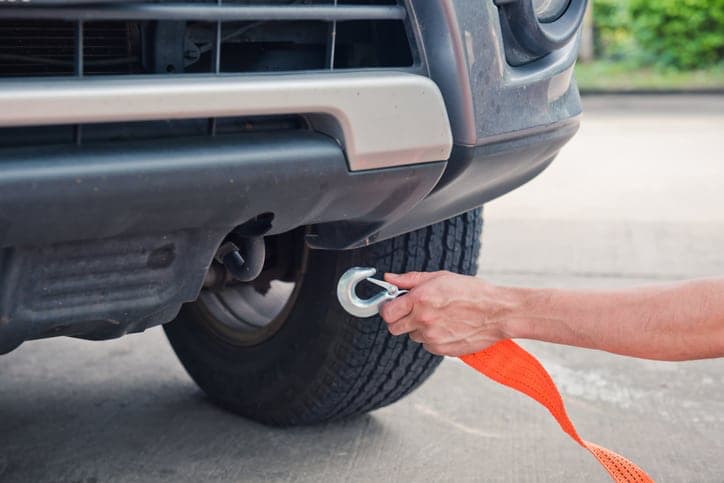
Ever found yourself in the inconvenient situation where your vehicle is stuck, and you wish you knew the magic trick to get it out? The answer might be simpler than you think – a tow strap. This handy tool can be a lifesaver if used correctly. In this comprehensive guide, we’ll walk you through the intricacies of using a tow strap the right way.A hand grabs a tow strap in a car
What is a Tow Strap and Why is it Essential?
Understanding what a tow strap is and its significance is the foundation to its proper usage. A tow strap is a heavy-duty strap designed to pull vehicles out of problematic situations. Think of it as a strong handshake between two vehicles – one that says, “Hold tight, I’ve got you!”.
Differentiating Between a Tow Strap and a Recovery Strap
Not all straps are created equal! Let’s break it down:
- Tow Straps: Generally made without elasticity, meant for towing vehicles over flat surfaces.
- Recovery Straps: Have a certain degree of stretch, designed for “snatching” or pulling vehicles out from being stuck.
Note: Using the wrong strap in a situation can lead to damage, so always be sure of what you need.
Key Features to Consider When Choosing a Tow Strap
- Material: Nylon is common and provides strength and durability.
- Length: Depending on your needs, tow straps come in various lengths. Longer isn’t always better!
- Load Rating: Ensure it can handle the weight of your vehicle. Always go higher than your vehicle’s weight.
The Step-by-Step Process of Using a Tow Strap
- Inspect the Strap: Before anything else, ensure the strap is free from tears, frays, or any damage.
- Connect to Recovery Points: Never tie to bumpers! They can get ripped off. Always connect to the vehicle’s recovery points.
- Signal and Communicate: Ensure both drivers know the plan. Communication is key.
- Gentle Pull: Start with a slow and gentle pull to ensure everything is connected properly.
- Steady Movement: Once everything seems okay, maintain a steady speed. Quick jerks can lead to damage.
Safety Tips to Remember
- Clear the Area: Ensure no bystanders are near the tow zone.
- Wear Gloves: Protects hands from possible burns or injuries.
- Check Equipment: Regularly inspect all towing equipment, not just the strap.
Maintaining Your Tow Strap
Ever wondered, “How can I keep my tow strap in its prime condition?”. Here’s how:
- Clean After Use: Remove dirt, grime, and other residues.
- Dry Properly: Air dry to prevent mildew.
- Store in Cool, Dry Place: This ensures its longevity.
Understanding the Physics Behind Towing
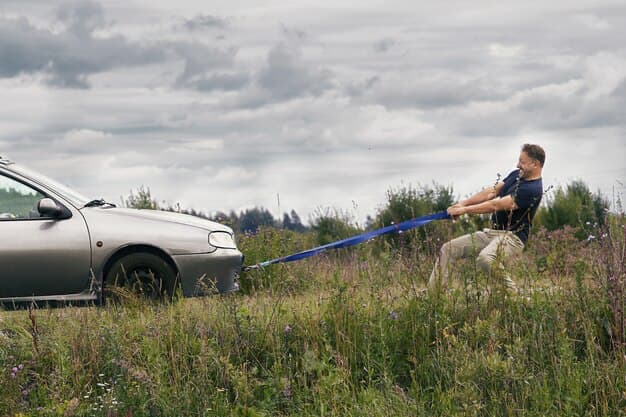
Towing might seem straightforward, but it is deeply entrenched in the principles of physics. By understanding the forces at play, you can ensure a safer and more effective tow.
Tension and Load Distribution
When you pull a vehicle using a tow strap, the tension generated is not just a function of the stuck vehicle’s weight. The type of terrain (muddy, snowy, or sandy), incline, and even atmospheric conditions play a role. For example, a vehicle stuck in mud experiences suction forces that increase the effective weight during a tow.
Kinetic Energy and Momentum
When you’re pulling a vehicle, especially with a bit of run-up for momentum, you’re essentially converting potential energy (in the stationary vehicle) to kinetic energy. However, remember that stopping a moving vehicle also requires overcoming this kinetic energy, so always ensure the towing vehicle has adequate braking capability and that the driver is prepared for increased stopping distances.
Frictional Forces at Play
Different terrains offer different amounts of friction. A sandy or muddy terrain offers less friction compared to a gravel road. This difference impacts how easily a vehicle can be towed out. For vehicles stuck in low friction areas, a combination of towing and using traction aids like sand or gravel under the tires can be beneficial.
Tow Straps vs. Tow Chains vs. Tow Ropes: A Comparative Look
With multiple towing tools available, it’s essential to understand the pros and cons of each. Here’s a comparison table to clarify:
| Towing Tool | Pros | Cons |
|---|---|---|
| Tow Straps | Lightweight, easy to store, less potential damage | Can wear out faster, not suitable for very heavy machinery |
| Tow Chains | Extremely durable, can handle heavy machinery | Heavy, can cause more damage if misused |
| Tow Ropes | Elastic, can “snap” vehicles out | Not as durable as straps or chains, stretch can be a con |
Common Mistakes to Avoid While Using a Tow Strap
Even with the right tools and intentions, things can go south if you’re not wary of common mistakes.
Relying Solely on the Strap
A common misconception is that the strap alone can handle all the load. But if the towed vehicle’s brakes aren’t functional, or if it’s not being steered correctly, the strap can experience unnecessary strain and even break.
Not Monitoring the Terrain
If you’re not mindful of the terrain, especially when it changes suddenly from soft to hard or vice versa, it can cause a sudden jolt or even damage the vehicles. Always ensure that the path is consistent or adjust the towing speed accordingly.
Overconfidence in the Tow Vehicle
Just because a vehicle is larger doesn’t mean it can tow anything. Always be aware of the towing vehicle’s limits. Even if the strap can handle the load, the vehicle might not, leading to potential damage or accidents.
Conclusion
Towing isn’t just about power, but also precision, care, and above all, safety. A tow strap is a tool, and like any tool, its effectiveness depends on the person using it. Equip yourself with the right knowledge, and you’ll find the process straightforward and secure.
Frequently Asked Questions
Yes, tow ropes are generally more elastic and might not handle heavy loads like tow straps can.
Ensure the tow strap’s load rating can handle the machinery’s weight.
When it shows signs of wear, tear, or damage. Regular inspections will guide you.
No, they come in various lengths. Choose one appropriate for your needs.
Tow straps are ideal for short distances. For longer tows, consider a tow bar or trailer.