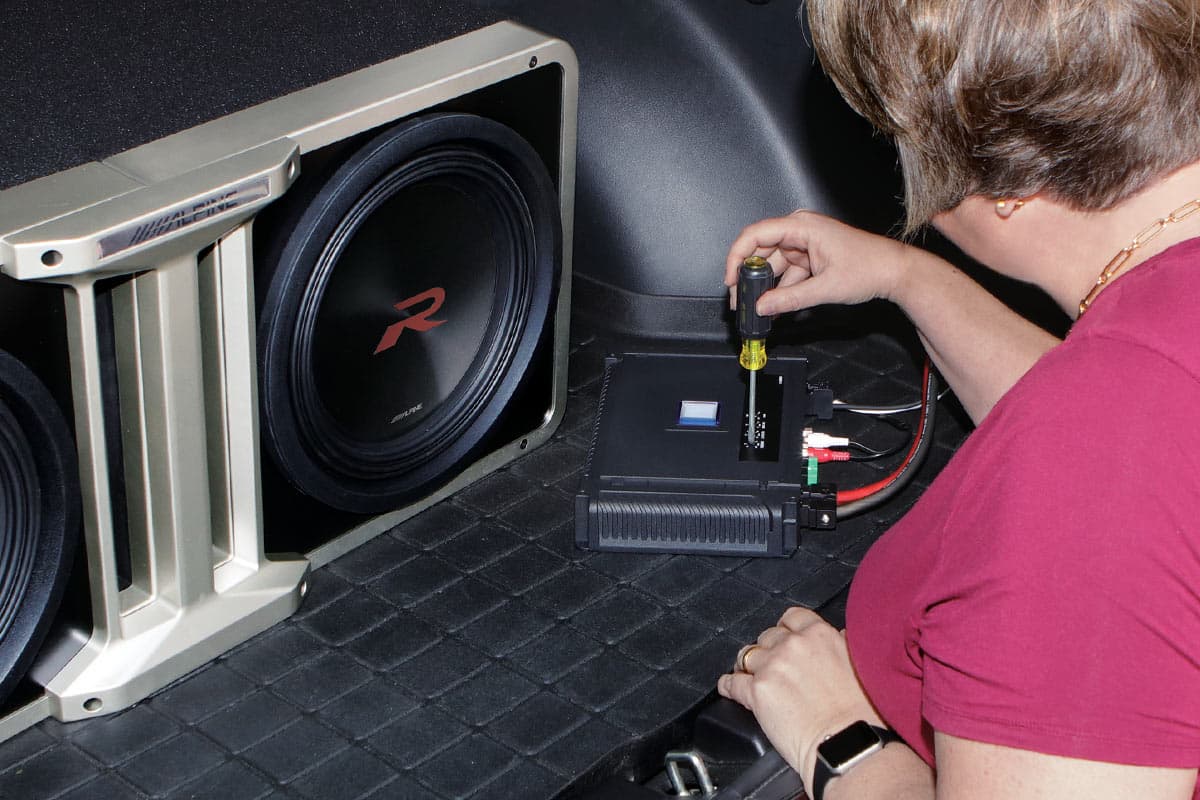
Mastering the Art of Connecting a Subwoofer to a Car Stereo
Every music lover knows that the key to excellent car audio lies in a powerful bass. A subwoofer is the ticket to achieving this. However, the question is, how do you connect a subwoofer to your car stereo?
Understanding the Basics of Subwoofers and Car Stereos
Subwoofers are specialized speakers designed solely for reproducing low-frequency sounds. Pairing them with car stereos provides a more rounded and vibrant audio experience. But before diving into the connection process, it’s crucial to get familiar with the primary components.
Types of Subwoofers
In the realm of booming bass, subwoofers reign supreme. They fall into two primary categories:
Component Subwoofer
As the purists’ choice, these subwoofers offer flexibility in system design and aesthetics. They require an external amplifier to drive them, which means you have the freedom to choose an amplifier that matches your desired specifications. This type allows customization – from the type of enclosure to the amplifier’s power level.
Powered Subwoofers
For those who prefer a straightforward solution, powered subwoofers come equipped with a built-in amplifier. It simplifies the installation process since you don’t have to match the subwoofer with an external amplifier. They’re particularly suitable for vehicles with limited space.
Identifying the type of subwoofer you possess is foundational, as it dictates subsequent steps in the installation process.
3. Tools and Equipment Needed
Just as a painter needs their brushes, installing a subwoofer demands particular tools. To ensure a smooth process, gather:
- Set of Screwdrivers: Essential for securing the subwoofer in its position and connecting wires.
- Wiring Kit: Ensures you have all necessary wires of the right length and gauge.
- Amplifier: Only if your subwoofer doesn’t have one integrated.
- Rubber Grommets: These small, yet crucial components protect your wires from getting frayed or cut against the car’s metal edges.
- Wire Stripper: Vital for preparing the ends of your wires for secure connections.
Having these tools on hand not only simplifies the process but ensures a safer and more efficient installation.
Steps to Connect a Subwoofer to a Car Stereo
Embarking on this sonic journey? Let’s get started!
Finding the Right Spot: The placement can make or break your audio experience. Aim for a spot near the rear speakers. It’s not just about aesthetics; it’s about acoustics. The right location ensures an even distribution of sound throughout the car.
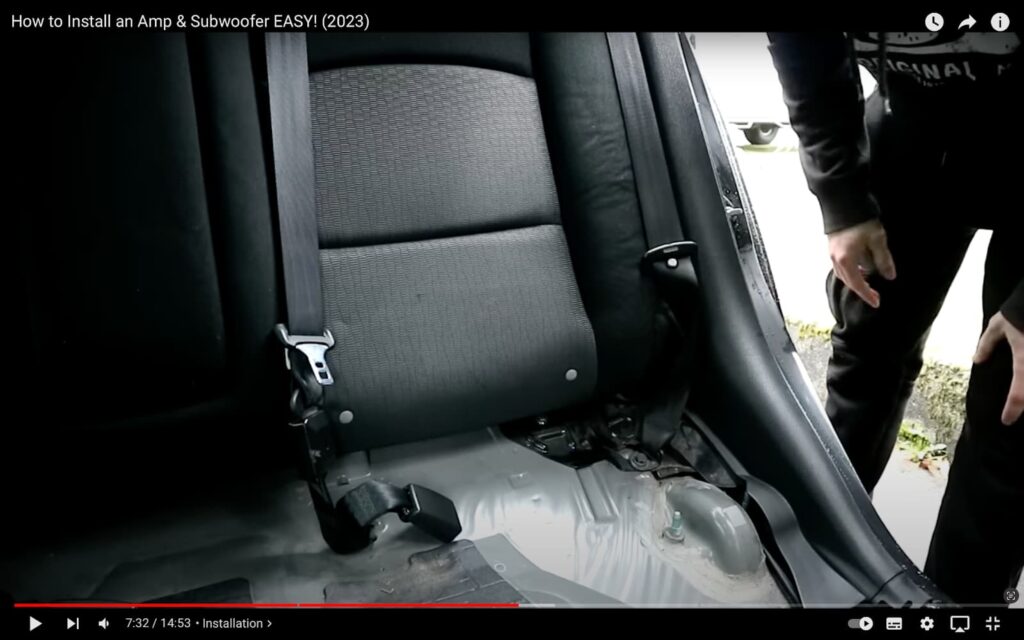
Wiring the Subwoofer: Here’s where patience comes into play. Lay out your wires, ensuring they neither interfere with car components nor become potential trip hazards. When passing wires through metal, always use rubber grommets to safeguard them.
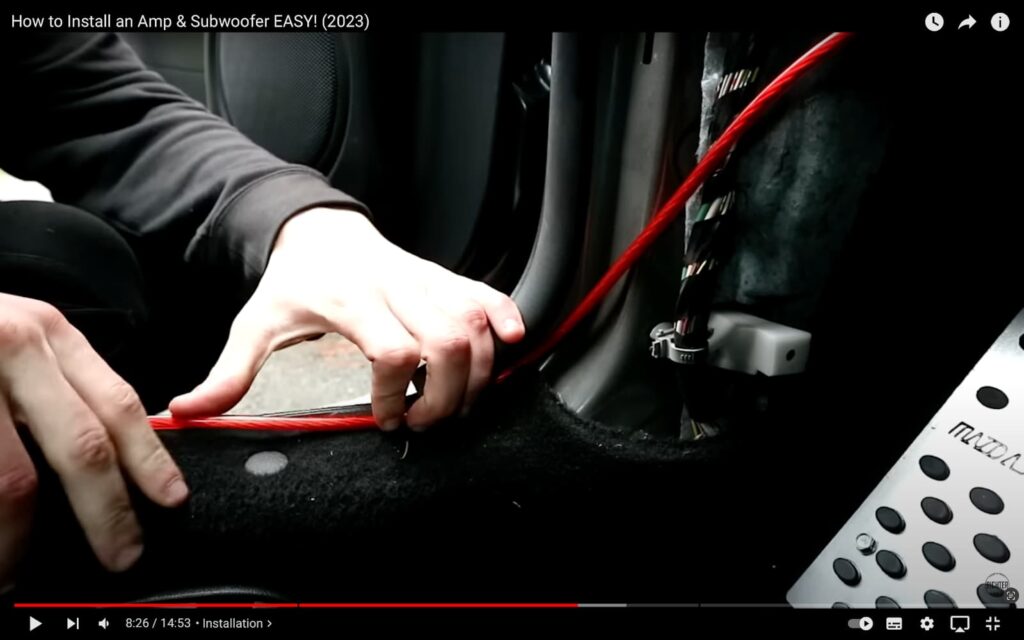
Connecting to the Amplifier: For component subwoofers, an external amplifier is essential. Ensure the wires are secure and the amplifier’s power rating matches the subwoofer’s specifications.
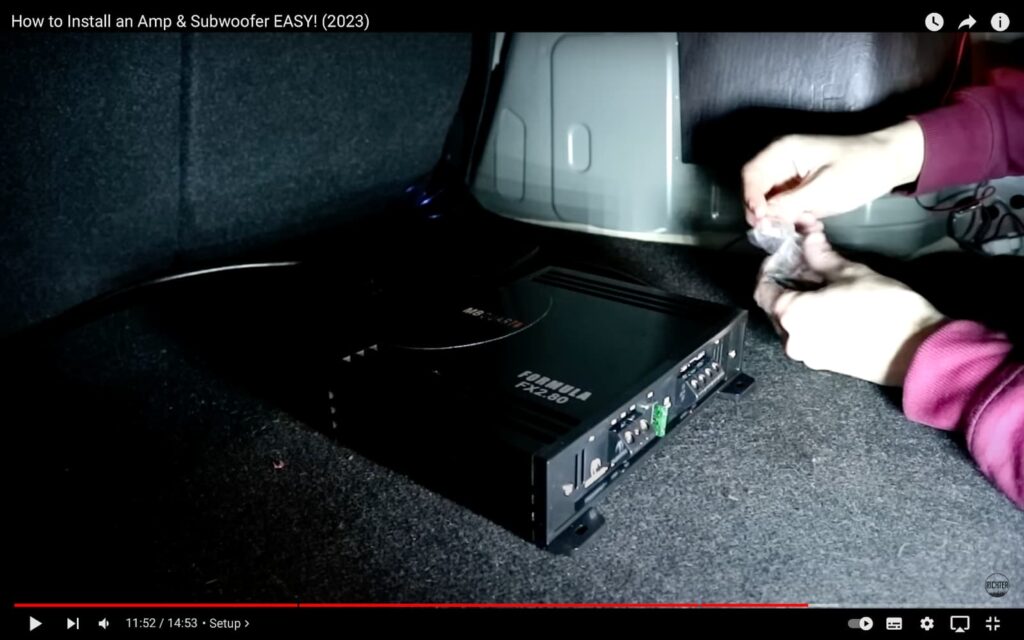
Testing the Connection: Before sealing everything, test the system. Listen for any distortions, rattles, or other anomalies. Adjustments are much easier now than later!
Common Mistakes to Avoid
As the saying goes, “A wise person learns from their mistakes. A wiser one learns from others’ mistakes.”
Not Grounding the System Properly: A well-grounded system avoids annoying hums or buzzes. Secure the ground wire to a clean, metal point in the car.
Using Mismatched Components: Pairing a powerful subwoofer with a weak amplifier (or vice versa) is a recipe for disappointment. Always ensure compatibility.
Maintenance Tips for Prolonged Performance
Like any valued possession, regular check-ups can elongate your subwoofer’s lifespan.
- Periodically inspect the wiring for wear or disconnection.
- Ensure the subwoofer remains securely mounted.
- Clean the exterior to prevent dust buildup.
Benefits of a Well-Connected Subwoofer
A subwoofer isn’t merely an addition; it’s a transformation. With it, you can:
- Enhance Audio Quality: Feel every beat and note with clarity.
- Provide a Balanced Sound: Say goodbye to muffled bass or overpowering trebles.
- Increase Speaker Longevity: By handling the low frequencies, subwoofers allow the main speakers to function more efficiently.
Comparing Professional Installation vs. DIY
| Aspect | Professional | DIY |
|---|---|---|
| Cost | More Expensive | Budget-friendly |
| Time | Swift | Varies based on experience |
| Quality | Expert-finished | Varies based on skill |
Enhancing Audio Experience with Additional Tweaks
To further enrich your listening experience, consider:
- Soundproofing the Car: This ensures outside noise stays out and your music stays crystal clear.
- Higher-Quality Audio Cables: Premium cables can make a noticeable difference in sound transmission.
Embark on this audio journey and elevate every drive into a symphony of sounds!
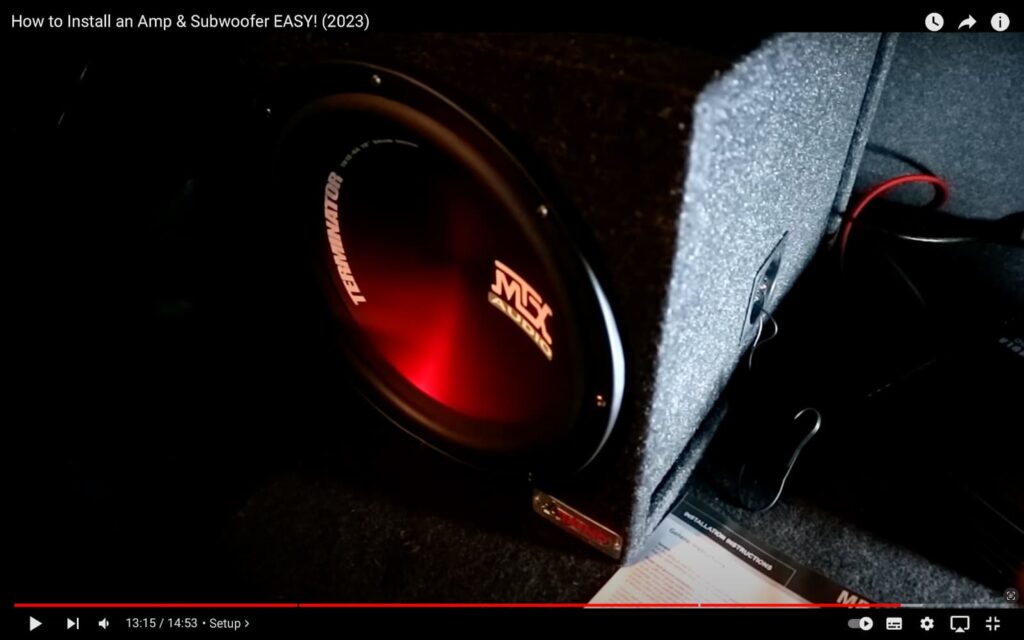
Alt:A guy connects a subwoofer to his car
Conclusion
In the grand symphony of car audio, a subwoofer plays a crucial bass note. While the connection process requires attention to detail, the results are undeniably worth it. Dive deep into the world of enhanced car audio and let every journey be a musical adventure.
FAQs
Yes, but ensure the amplifier can handle them.
You can use a line out converter to solve this.
It depends on personal preference and car size.
It’s not recommended due to impedance and power mismatches.
A routine check every six months should suffice.