How to Use a Fuse Tap: A Comprehensive Guide
Navigating the world of electrical modifications, especially in vehicles, can seem daunting. However, tools like the fuse tap have made it simpler and safer to add devices to your car’s electrical system. This article will guide you through the steps of using a fuse tap properly, ensuring your modifications are both efficient and safe.
What is a Fuse Tap?
A fuse tap, commonly known as an ‘add-a-circuit,’ is a specialized device designed for those looking to expand the electrical capabilities of their vehicles. Its primary function is to seamlessly integrate into an existing fuse slot within your vehicle’s fuse box. By doing so, it provides a dedicated pathway to power additional accessories or devices. This integration ensures that the original circuit retains its primary function, without being adversely affected by the new connection. Fuse taps offer a simplified method for electrical modifications, making it easier and safer for individuals to enhance their vehicle’s functionalities without professional intervention or altering the original wiring.
Benefits of Using a Fuse Tap
- Simple Installation: One of the primary advantages of using fuse taps is their user-friendly nature. Even for those not well-versed in car electrical systems, fuse taps present a straightforward method to incorporate additional devices. By using them, car owners can bypass the complex and time-consuming process typical of traditional installations, saving both time and effort;
- Safety: Safety should always be a priority when making modifications to your vehicle, and fuse taps excel in this domain. Every accessory or device connected using a fuse tap gets its fuse, which acts as a protective barrier. This configuration ensures that in the event of an electrical issue or surge, the original circuit remains unaffected and the newly added accessory is also shielded from potential harm. It’s a proactive measure to prevent overloads and electrical mishaps;
- Clean Setup: Beyond functionality, aesthetics, and organization play a crucial role in electrical modifications. Fuse taps contribute positively in this regard by offering a neat, organized approach. Rather than dealing with a jumble of wires that can be both unsightly and confusing, fuse taps streamline the setup. The result is a tidy, efficient, and professional-looking installation that complements the overall integrity of the vehicle’s electrical system.
Types of Fuse Taps
| Type | Characteristics | Fuse Size | Ideal for |
|---|---|---|---|
| Mini Blade Fuse Tap | Designed for modern vehicles with compact fuses. Provides a snug fit. | Compact | Contemporary vehicles characterized by their compact fuses. Efficient power distribution to accessories. |
| Standard Blade Fuse Tap | Made for older vehicles with larger components. Robust design. | Large | Vintage cars with larger fuses. Robust and aligns well with older vehicles. |
| Low Profile Mini Fuse Tap | Suitable for sleek, streamlined car models. Ensures the tap sits flush without protrusions. | Extremely Flat | Modern sleek car designs with extremely flat fuses. Avoids unnecessary protrusions. |
| Micro Blade Fuse Tap | Created for the latest vehicles with miniaturized components. Efficient and reliable. | Tiniest | Cars equipped with the smallest of fuses. Offers efficiency and reliability despite its small size. |
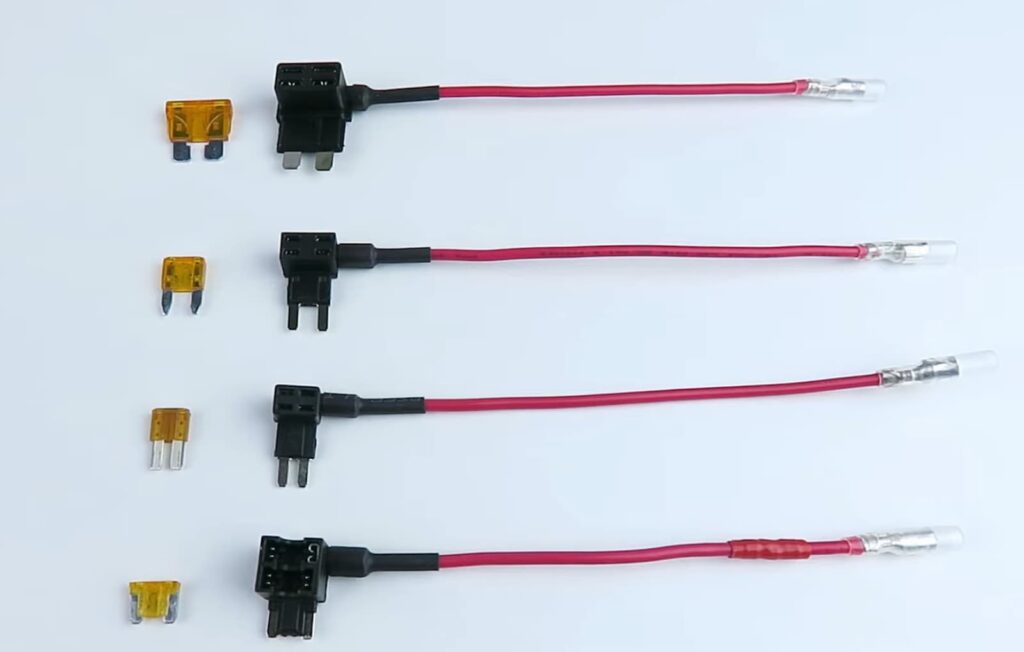
In the realm of vehicle modifications, fuse taps have emerged as a pivotal component. Given the vast variety of vehicles on the roads, each with its unique specifications and requirements, fuse taps have evolved to cater to this diversity. This has resulted in the development of several types of fuse taps, each tailored for a specific kind of fuse found in vehicles.
- Mini Blade Fuse Tap: As vehicles have modernized, so have their components. Mini blade fuse taps are designed specifically for these contemporary vehicles, often characterized by their compact fuses. These taps provide a snug fit, ensuring efficient power distribution to the connected accessory;
- Standard Blade Fuse Tap: As we look back at older vehicle models, we find that their components were generally more substantial. For these vehicles, equipped with larger fuses, the standard blade fuse tap is the most suitable option. It’s designed to be robust, aligning well with the built of vintage cars;
- Low Profile Mini Fuse Tap: Advancements in car design have led to the introduction of sleeker, more streamlined models. For such vehicles, which often come with extremely flat fuses, the low profile mini fuse tap is ideal. It ensures that the tap sits flush, avoiding any unnecessary protrusions;
- Micro Blade Fuse Tap: As technology continues to miniaturize, so do the components of the latest vehicles. For cars equipped with the tiniest of fuses, the micro blade fuse tap is a perfect match. Though small in size, it promises efficiency and reliability.
Choosing the correct fuse tap is more than just a matter of fit; it’s a safety imperative. A mismatch can lead to loose connections, which can be a potential hazard. Therefore, it’s paramount to select a fuse tap that corresponds precisely to your vehicle’s specifications, ensuring both safety and optimal performance.
Step-by-Step Guide on How to Use a Fuse Tap
- Prioritize Safety: Before you delve into the installation, it’s of utmost importance to prioritize safety. Begin by disconnecting the battery, which is typically located under the car hood. This simple yet crucial step ensures there’s no live current flowing through the vehicle’s electrical system, mitigating the risk of accidental short circuits or electrocution during the installation process;
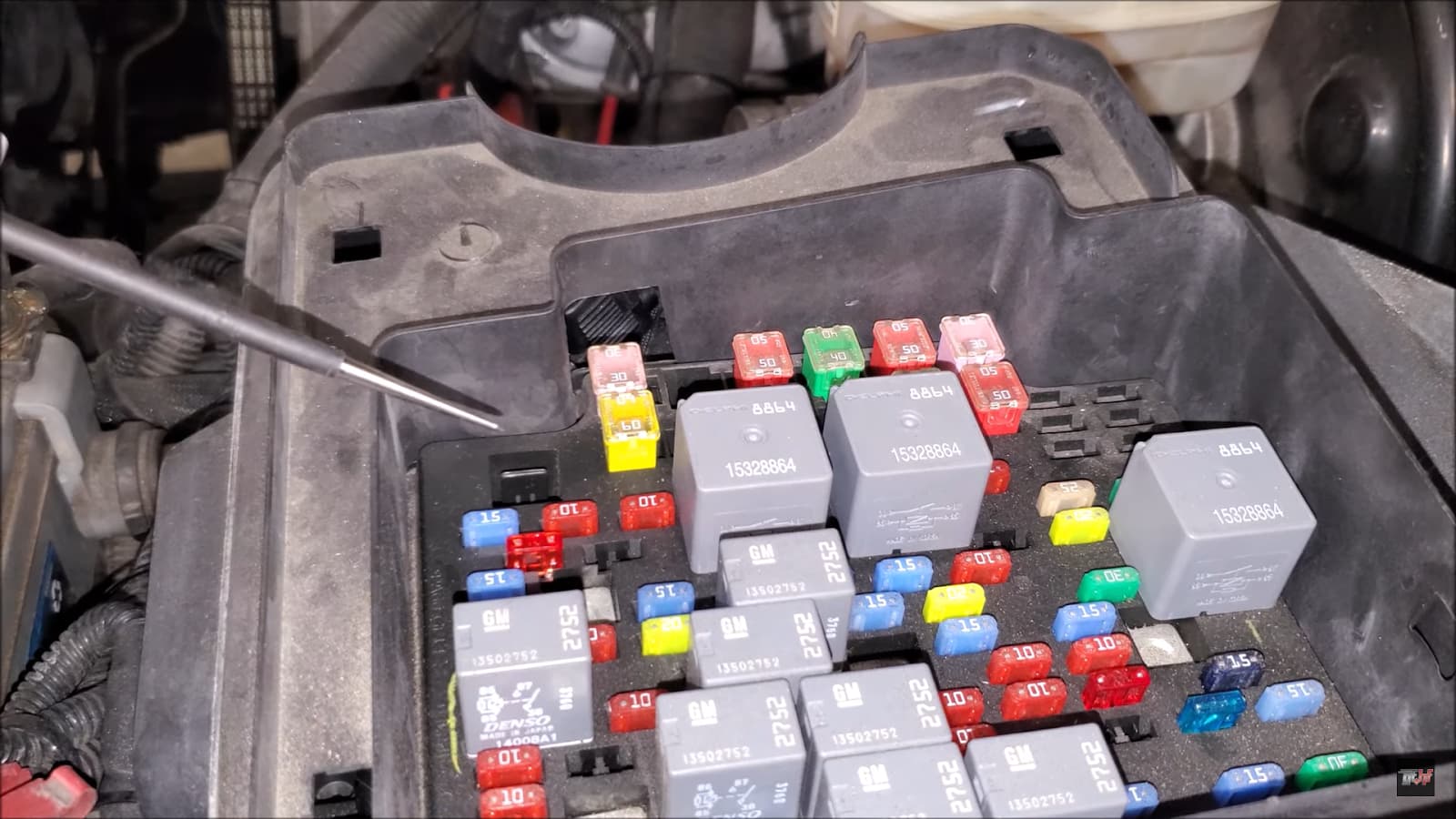
- Locate the Fuse Box: The fuse box serves as the central hub for your vehicle’s electrical circuits. These boxes are typically situated under the dashboard, near the driver’s side, or within the engine compartment. Knowing its precise location ensures you can access it with ease and convenience;
- Select an Appropriate Fuse Slot: Choose a fuse slot that aligns with your intended usage. Opt for a fuse that operates in conjunction with the ignition switch if you want the accessory to receive power only when the vehicle is on. This ensures efficient energy management and prevents draining the battery when the vehicle is off;
- Remove the Original Fuse: Safely extract the original fuse using fuse pullers or needle-nose pliers. This allows you to create space within the chosen fuse slot for your fuse tap;
- Insert the Original Fuse into the Fuse Tap: The original fuse is usually placed into the slot closest to the pronged end of the fuse tap. This connection ensures that the original circuit remains protected, even as you introduce a new accessory;
- Add the New Fuse: The slot farther from the prongs of the fuse tap is designated for the new fuse, which will power your additional accessory. Inserting the new fuse correctly guarantees a stable and secure electrical connection;
- Insert the Fuse Tap: With the original and new fuses in place, plug the fuse tap back into the slot from which you removed the original fuse. This step effectively bridges the gap between the original circuit and your new accessory;
- Connect Your Accessory: Utilize the wire end of the fuse tap to establish a connection with your device or accessory. Ensure the connection is secure and snug, minimizing the risk of loose or intermittent electrical contact;
- Testing, One, Two, Three: Reconnect the battery and turn on the ignition to verify that your new accessory powers on correctly. This step serves as the final litmus test, confirming the success of your installation and ensuring your vehicle functions seamlessly with the newly added component.
Common Mistakes to Avoid
Avoiding common mistakes when using a fuse tap is essential to ensure the smooth and safe integration of new accessories into your vehicle’s electrical system. Let’s delve into these potential pitfalls with a broader perspective:
- Choosing the Correct Fuse Tap Type: One of the most fundamental aspects to get right is selecting the appropriate type of fuse tap for your vehicle. Each vehicle may have different fuse types and sizes. Failing to match the fuse tap to your vehicle’s specific fuse type can lead to compatibility issues and a frustrating installation process. Therefore, it’s crucial to take the time to identify the correct type of fuse tap that aligns seamlessly with your vehicle’s electrical system;
- Avoid Overloading the Circuit: Overloading the circuit by using an incorrectly rated fuse for your accessory is a common mistake that can have serious consequences. It’s imperative to select a fuse with the correct rating, ensuring it matches the power requirements of your new accessory. Using a fuse with a higher rating than necessary may jeopardize the safety of your vehicle’s electrical system, while a lower-rated fuse can lead to frequent blowouts and disruptions;
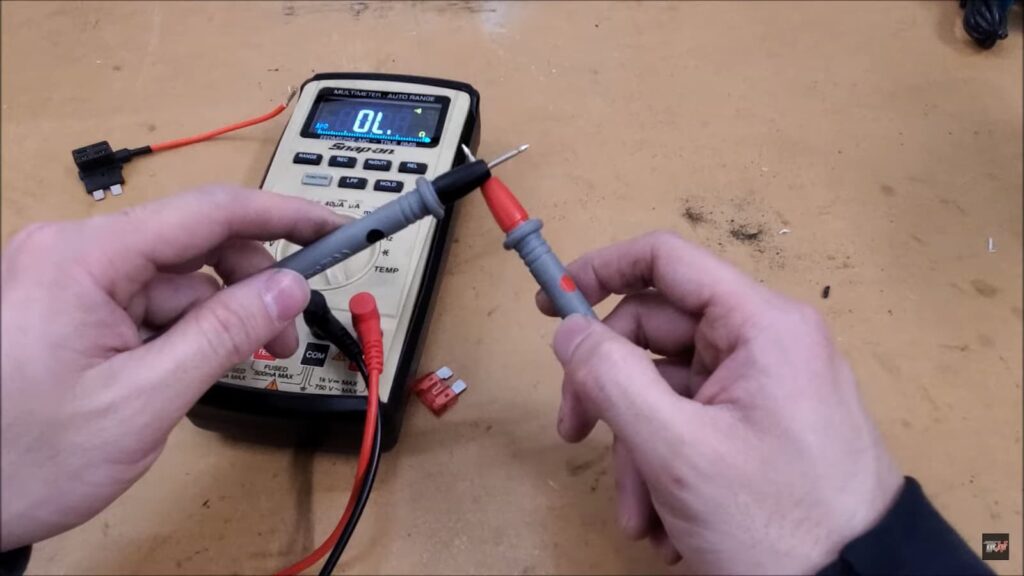
- Ensuring Secure Connections: Another common misstep is neglecting the importance of secure and tight connections. Failing to do so can result in loose connections, which may lead to intermittent power issues, electrical shorts, or even damage to your accessory or the vehicle’s electrical system. To avoid such problems, take the time to double-check that all connections are firmly attached and free from any potential points of failure. This meticulous approach guarantees the reliability and longevity of your electrical modifications.
Conclusion
Using a fuse tap can simplify the process of adding accessories to your vehicle, ensuring both safety and functionality. By following the steps outlined above and understanding the intricacies of your vehicle’s electrical system, you can confidently make modifications without the risk of damage or inefficiency. Always remember: safety first, and when in doubt, consult a professional.