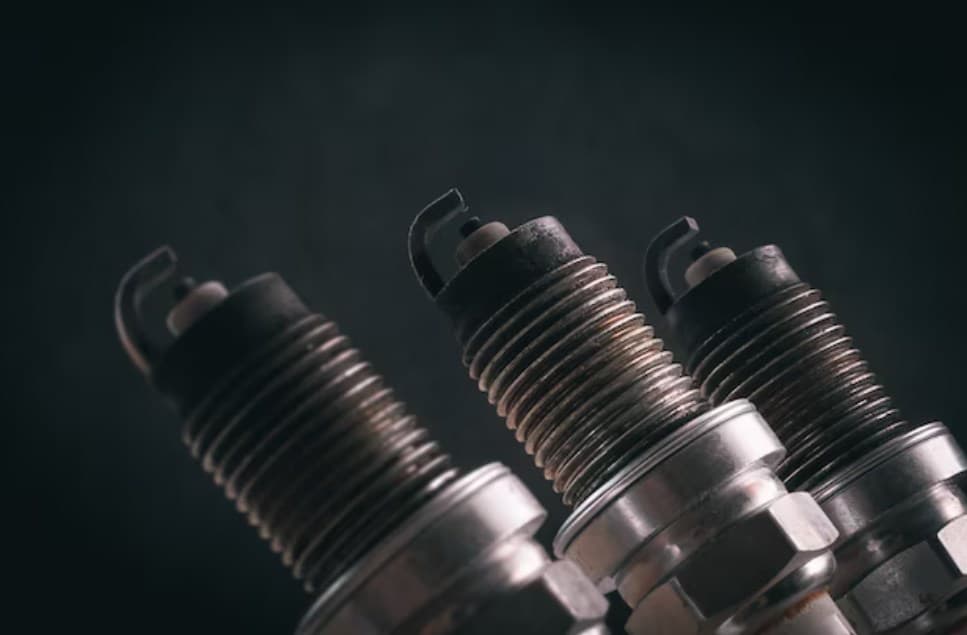
Understanding and Resolving the Issue of Oil on Spark Plugs
A well-functioning engine is integral to the optimal performance of a car. The engine’s efficiency, to a large extent, hinges on the effective operation of its spark plugs. These components are crucial for igniting the air-fuel mixture that propels the vehicle.
However, a common issue that car owners and mechanics encounter is the presence of oil on spark plugs, a problem that can impede engine performance and lead to various complications.
This article provides a comprehensive guide on identifying, understanding, and resolving this prevalent issue to ensure the engine operates at peak efficiency.
The Role of Spark Plugs and the Implications of Oil Presence
Spark plugs play a pivotal role in igniting the air-fuel mixture that powers the automobile. They deliver electrical impulses to the engine’s cylinders, initiating a controlled explosion that drives the pistons, generating energy that propels the vehicle. However, the efficiency of this process can be significantly compromised when oil contaminates the spark plugs.
In a scenario where oil fouls the spark plugs, replacing them might seem a viable option. However, this could be a recurrent expenditure if the underlying issue causing the oil contamination is not addressed. It is essential to diagnose and resolve the root causes to prevent future occurrences and ensure the longevity of the spark plug and optimal engine performance.
Underlying Causes of Oil Contamination on Spark Plugs
Oil contamination on spark plugs can emanate from various sources within the engine. This condition, known as oil-fouled spark plugs, arises when oil, incapable of igniting like fuel, impedes the electrical conductivity of the spark plugs. Several conditions could precipitate this:
- Deterioration of valve guides or intake valve seals;
- Damaged or worn piston rings;
- A compromised head gasket;
- Obstructed crankcase ventilation system;
- Malfunctioning valve cover gasket;
- Excessive engine oil.
Each of these issues requires meticulous attention to prevent the recurrence of oil fouling on spark plugs.
Recognizable Effects of Oil on Spark Plugs
The manifestation of oil on spark plugs is not subtle; it profoundly affects the engine’s performance. Oil fouling leads to misfires, reduced power output, irregular idling, and decreased fuel efficiency. The engine might also experience difficulties starting and hesitations during acceleration, leading to potential long-term damage.
Additionally, environmental concerns arise. Oil fouling increases emissions of chemical byproducts and can damage the catalytic converter, exacerbating environmental pollution.
Diagnostic Procedures and Detection Techniques
Early detection of oil-fouled spark plugs is pivotal to averting severe engine damage. The diagnostic process involves the removal and inspection of each spark plug for oil residues or a black, sticky buildup. Preliminary checks could also involve monitoring the engine oil level and observing the coolant for oil traces, indicative of a leaking head gasket.
The presence of a Check Engine Light, especially with Diagnostic Trouble Codes (DTCs) related to misfires, often signals oil-fouled spark plugs. Comprehensive diagnosis and subsequent remedial actions are essential to restoring and maintaining optimal engine performance and longevity.
Understanding the causes, effects, and diagnostic procedures is essential for every car owner and mechanic to ensure that the engine operates at its optimal capacity consistently. Armed with this knowledge, proactive measures can be taken to mitigate and resolve oil fouling, fostering a seamless driving experience and promoting environmental preservation.
Addressing the Issue: Solutions and Preventive Measures
Spark plugs, though robust and resilient, can succumb to oil contamination. Cleaning them could be a short-term remediation, but understanding and mitigating the underlying issues ensures sustainable engine performance. Where the age and usage of the spark plugs are substantial, replacement becomes imminent. However, a holistic approach, encompassing the identification and resolution of the underlying oil contamination cause, is paramount.
- A comprehensive diagnostic approach involves several specific tests. The leak-down test, pivotal for evaluating the integrity of valve seals, head gaskets, and cylinder walls, offers insights into their roles in the contamination. Concurrently, the compression test is instrumental in assessing the condition of piston rings, offering data on whether they are the contamination culprits;
- Implementing remedies could involve the replacement of the PCV valve, especially if it’s malfunctioning and promoting oil intrusion into the combustion chamber via the intake. This task is not particularly complex and can effectively mitigate oil contamination. Additionally, the choice of oil grade is essential. In older engines, particularly, opting for the inappropriate oil grade can facilitate oil seepage past the piston rings.
Preventive measures underscore the essence of routine maintenance, which is not only cost-effective but integral to the engine’s longevity and efficiency. Regular oil changes are paramount. They ensure that the engine is adequately lubricated, reducing the likelihood of oil bypassing the piston rings. The discipline of avoiding overfilling engine oil is crucial, as excessive internal pressure can promote oil seepage, leading to spark plug contamination.
Enhancing Engine Health through Proactive Actions
To preserve the integrity and performance of the engine, a multifaceted approach that combines regular maintenance, timely diagnostics, and appropriate interventions is required. Among the actionable steps include:
- Scheduled Maintenance: Adhering to the prescribed maintenance schedule ensures optimal engine lubrication and minimizes undue wear and tear;
- Oil Quality Assurance: Utilizing high-grade oil that aligns with the engine’s specifications mitigates the risk of oil seeping into the combustion chamber;
- Technological Integration: Leveraging technology for real-time engine monitoring can facilitate early detection and intervention in cases of oil contamination;
- Skilled Manpower: Engaging the expertise of skilled technicians ensures that diagnostic procedures and remedial actions are executed with precision and efficacy.
The combination of these actions contributes significantly to mitigating the occurrence of oil on spark plugs and enhances the engine’s lifespan and efficiency.
Delving into the Mechanism of Oil Contamination
Understanding the intricate dynamics that facilitate oil contamination on spark plugs requires an in-depth exploration of engine components’ interplay and functionality. Several factors converge to precipitate this issue. For instance, the wear of engine components, exacerbated by inadequate maintenance and the use of substandard oil, can compromise the seals and piston rings’ integrity.
Furthermore, the role of internal pressure within the engine’s operational dynamics is pivotal. Excessive pressure can force oil into spaces it ideally shouldn’t occupy, leading to contamination. Therefore, balancing internal pressure, ensuring the robustness of seals and rings, and maintaining optimal oil viscosity and quality are essential facets of preventing spark plug oil contamination.
Conclusion
Oil contamination on spark plugs is a challenge that extends beyond the mere act of cleaning or replacing the plugs. It’s an indicator of underlying issues within the engine that require immediate attention. Through comprehensive diagnostics, encompassing leak-down and compression tests, the root causes of oil seepage into the combustion chamber can be pinpointed.
Addressing this issue is not just about remedial actions but also involves a proactive approach. The implementation of regular maintenance schedules, adherence to oil change timelines, and the utilization of appropriate oil grades are fundamental to preventing oil contamination. Every car owner and mechanic must transcend the symptomatic treatment of oil on spark plugs and embrace a holistic approach that encapsulates prevention, diagnosis, and intervention.
In this light, an engine’s longevity and optimal performance are not just about addressing apparent issues but involve a systematic, informed, and comprehensive approach to maintenance and repair. The narrative of oil on spark plugs, thus, serves as an invaluable cue to the overarching need for meticulous attention to engine care, a narrative that underscores the essence of precision, timeliness, and expertise in automobile maintenance.